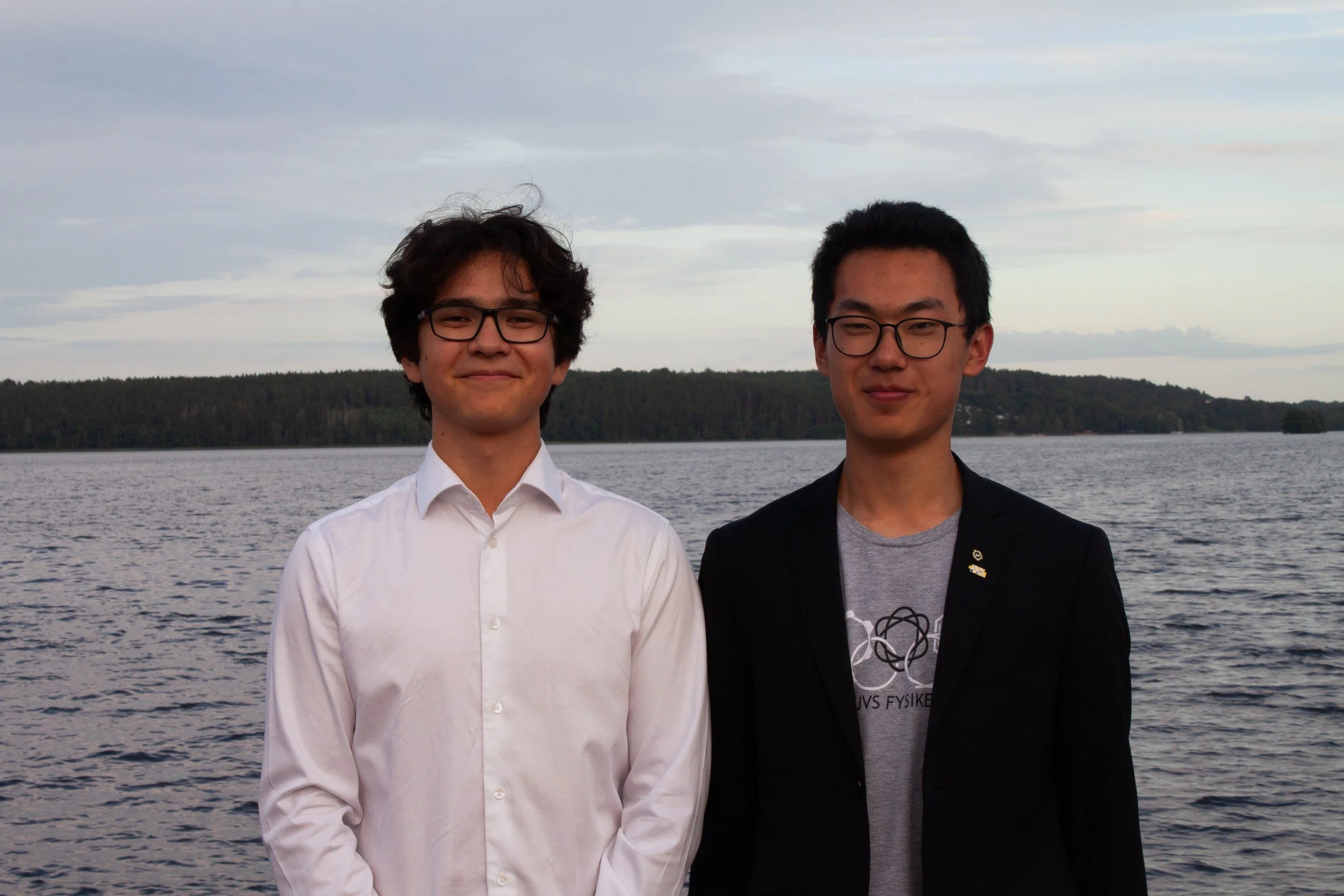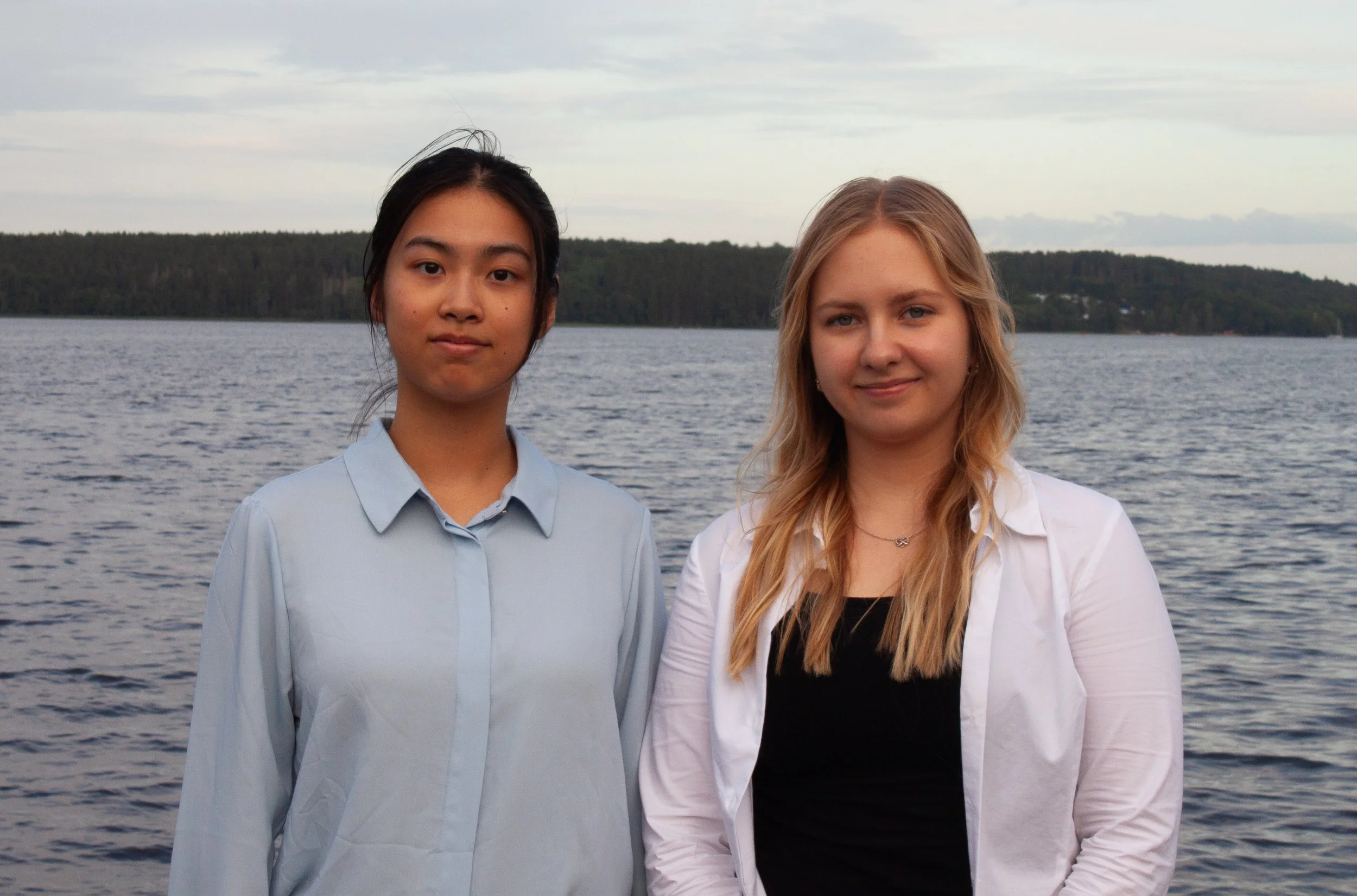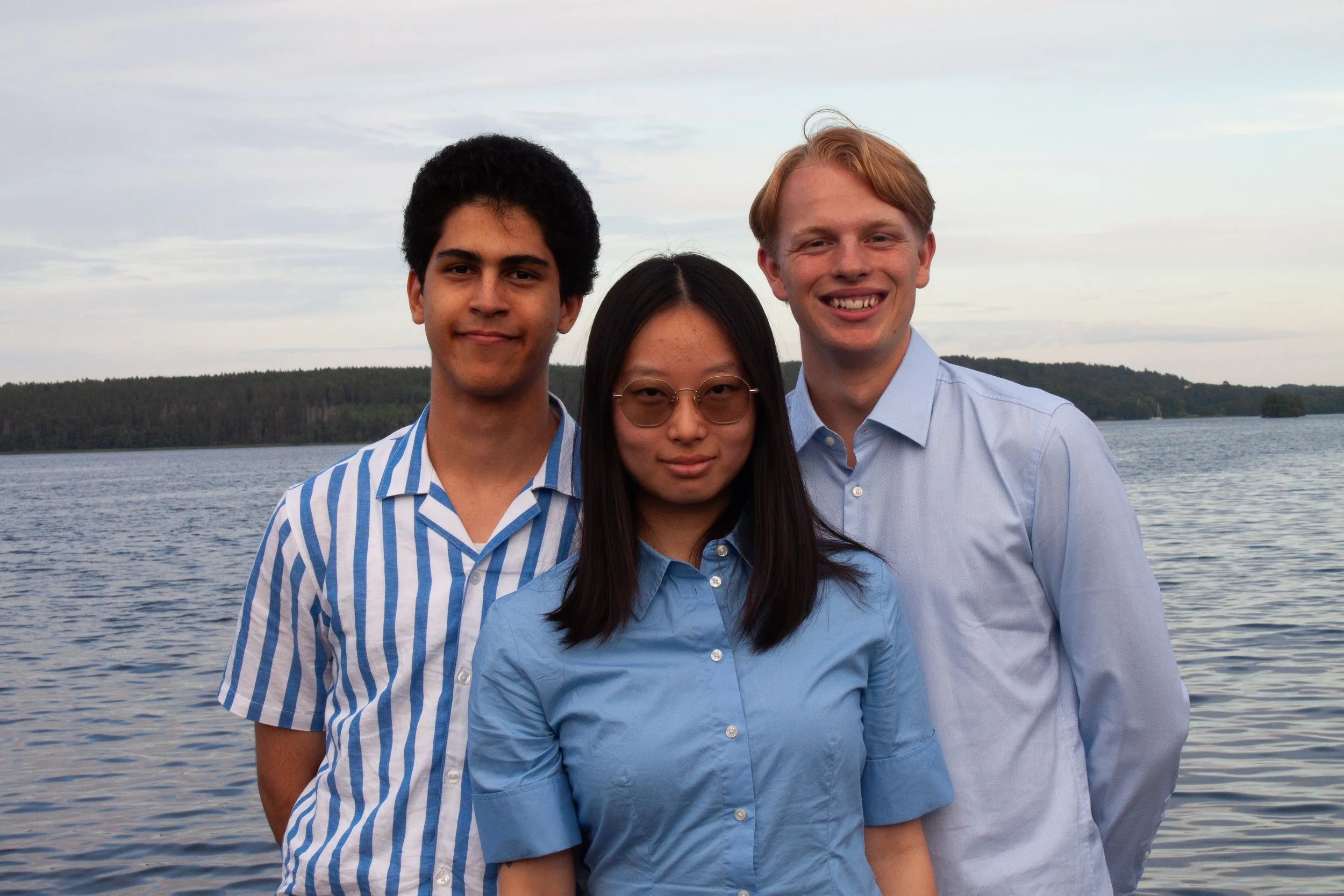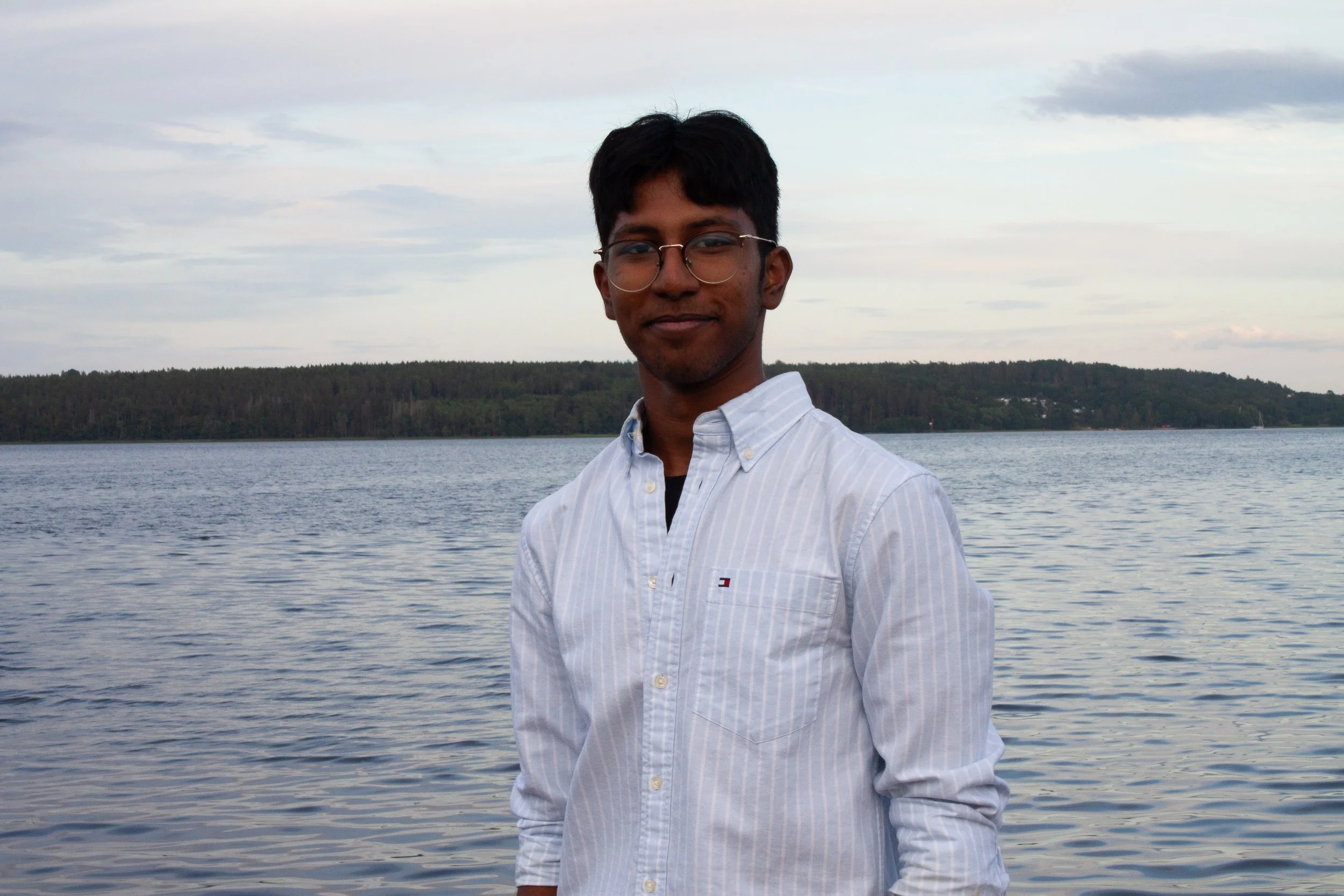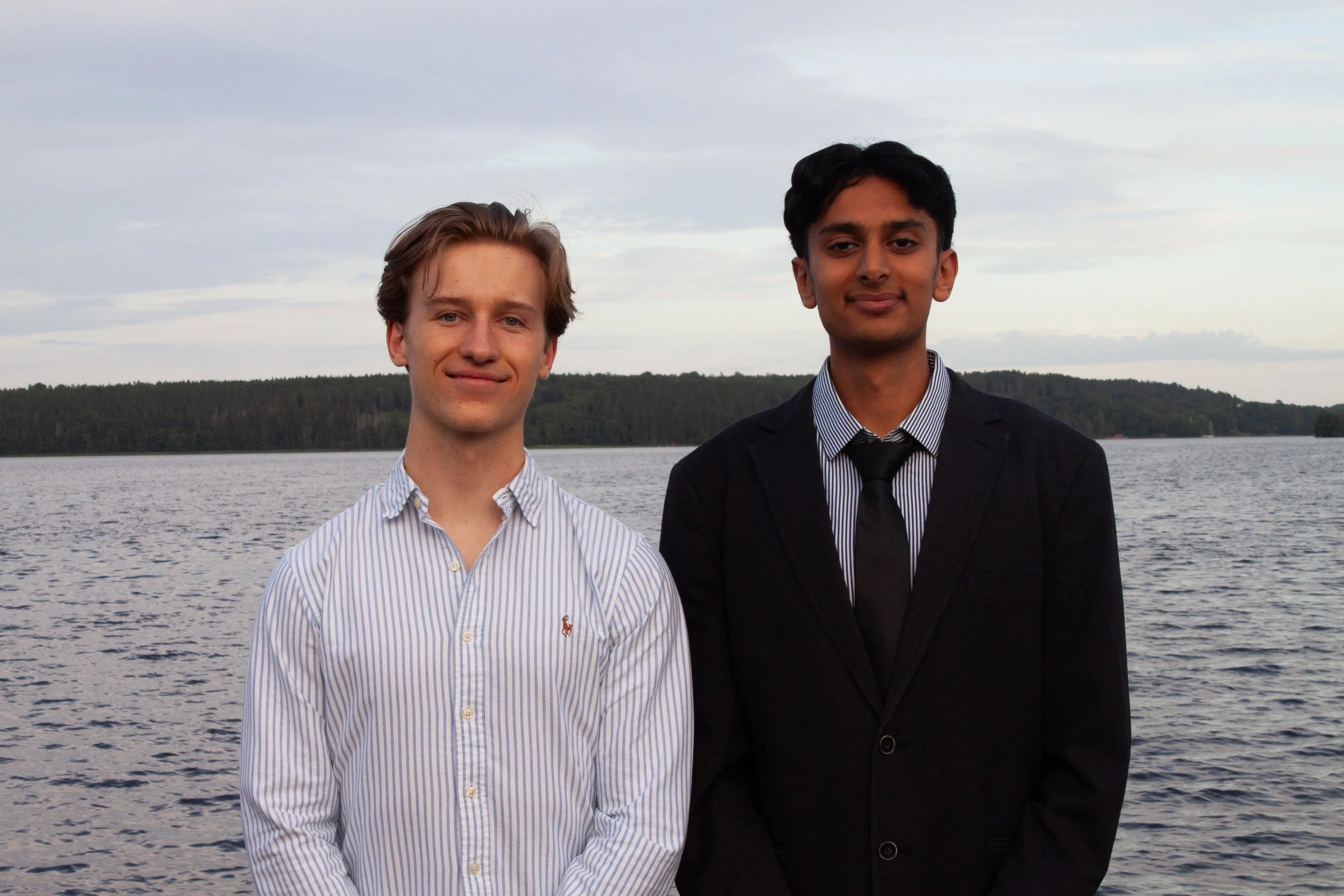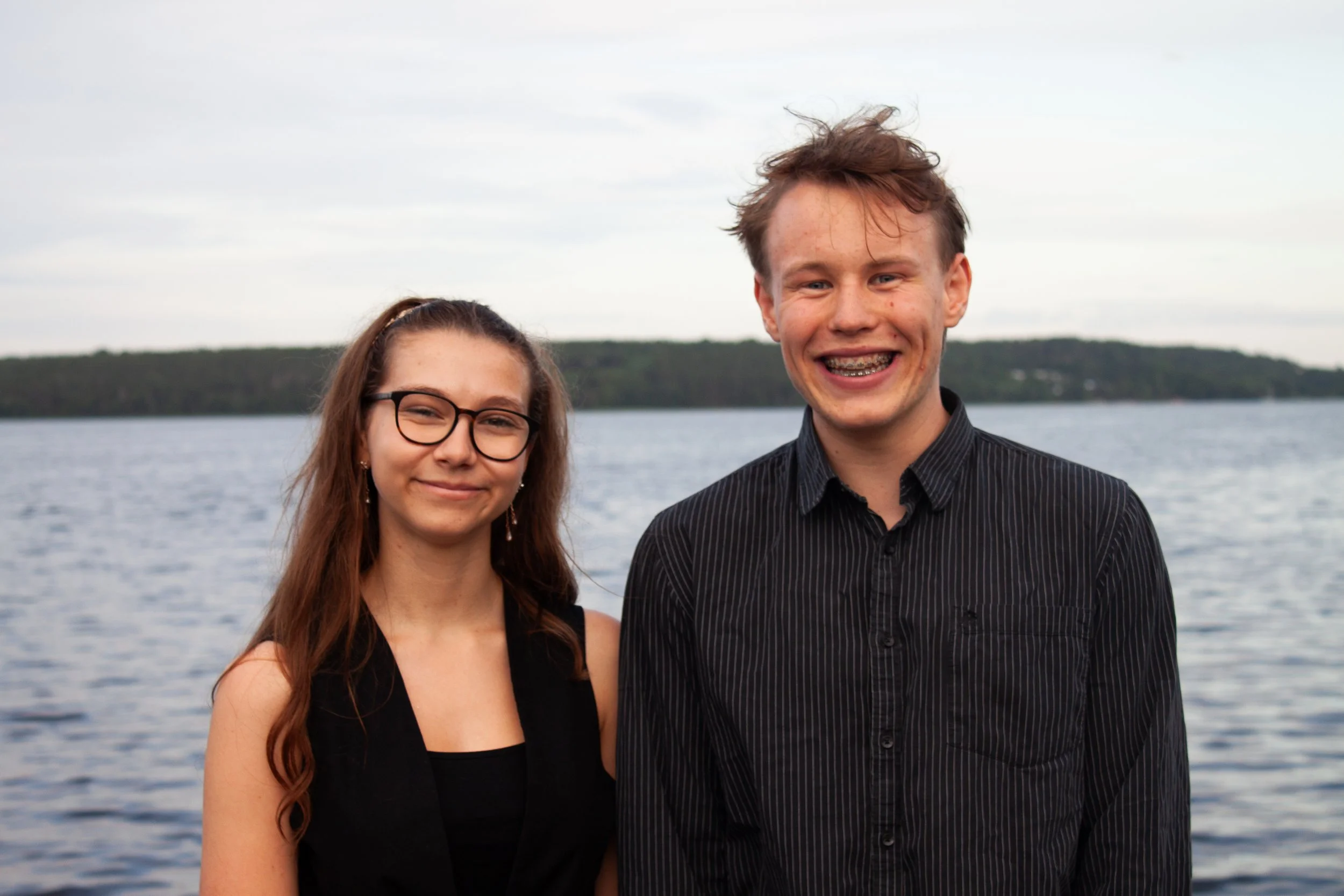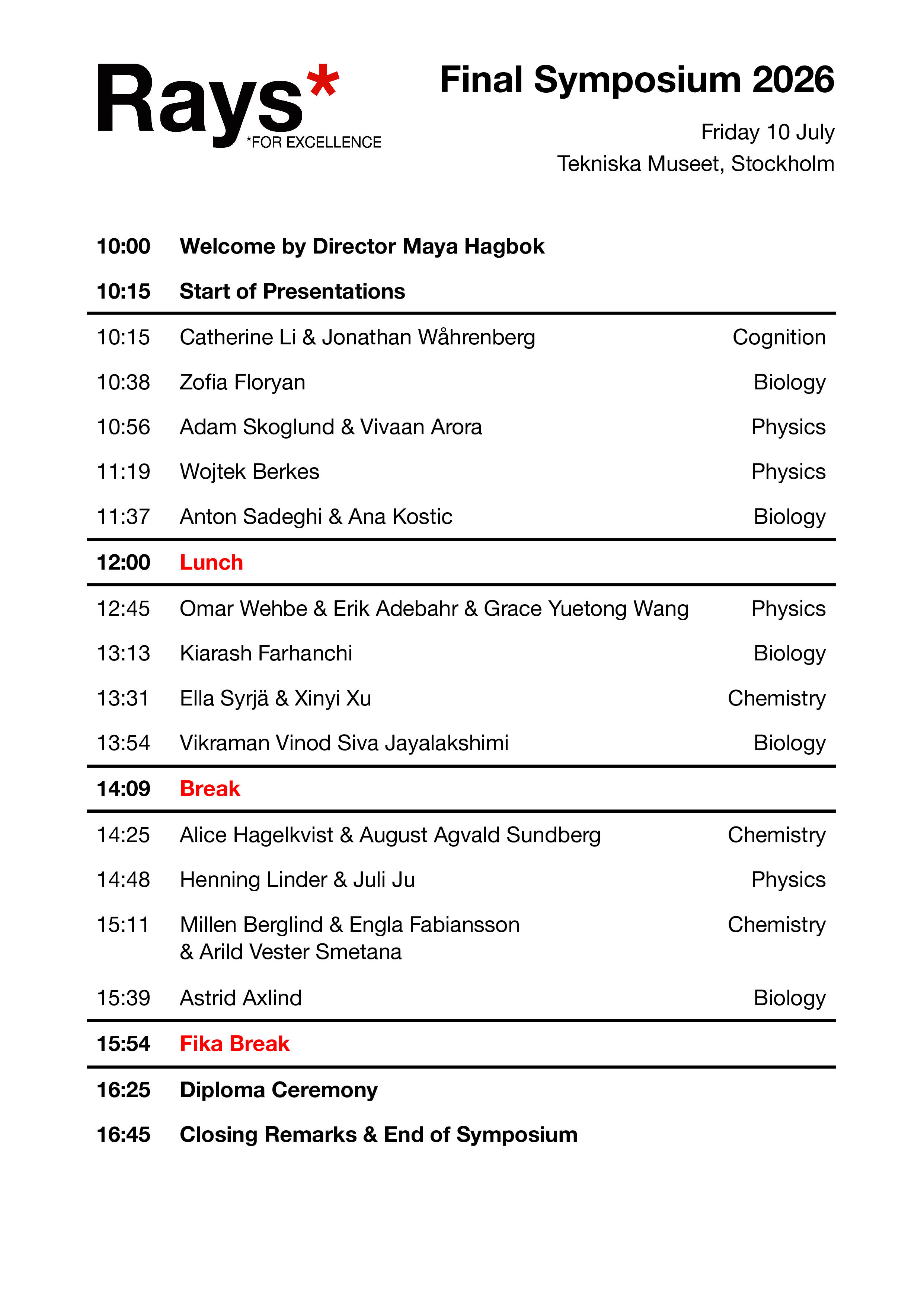
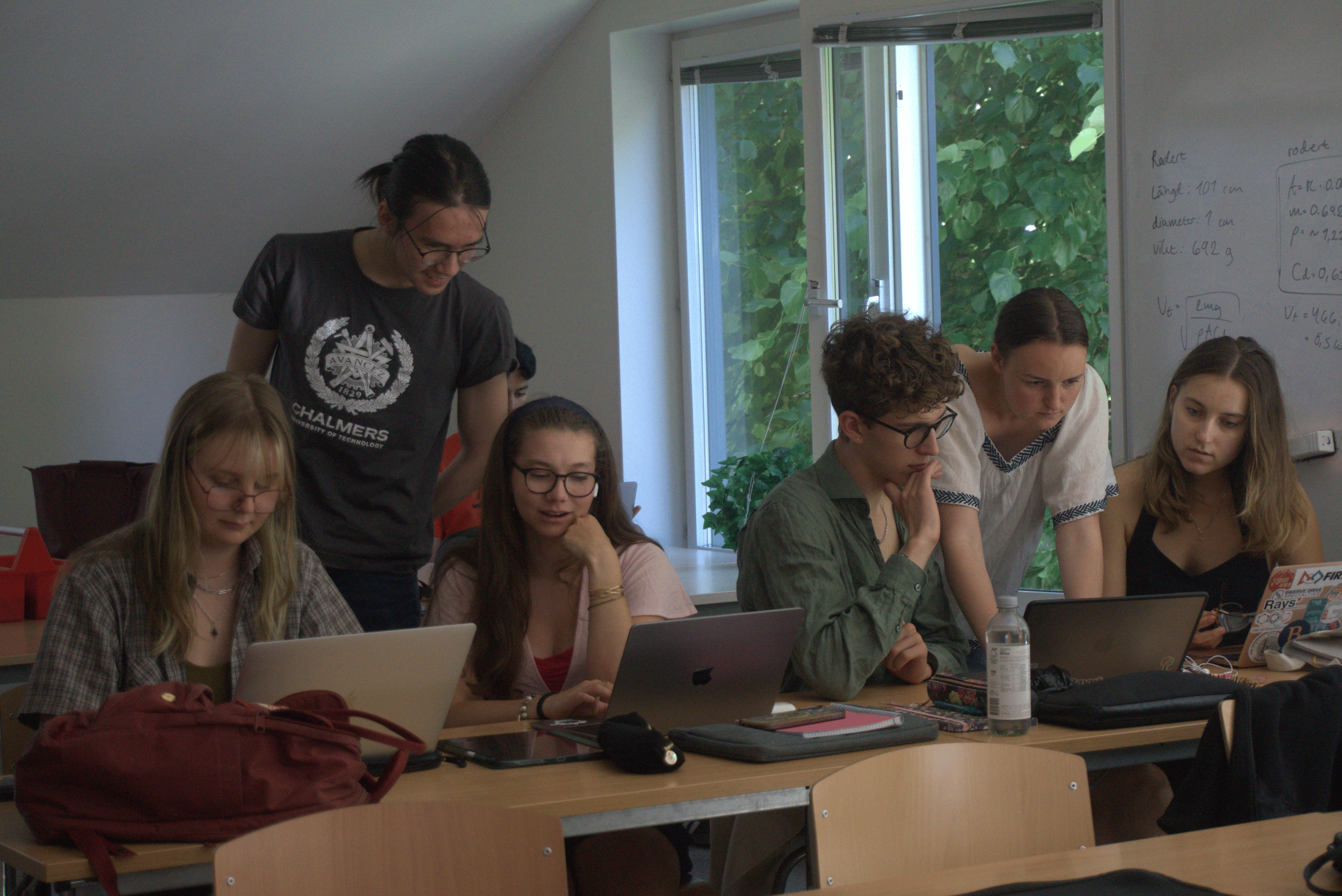
Under 4 veckors tid har gymnasieelever från alla Sveriges hörn, fördjupat sig i vetenskaplig metodik och genomfört forskningsprojekt på Stockholms Universitet, Kungliga Tekniska Högskolan och Karolinska Institutet. Programmet avslutas med öppna populärvetenskapliga presentationer som kommer framföras i Stora Hörsalen på Tekniska Museet, den 10:e Juli 2026.
Live-stream
För att följa presentationerna på distans kan man logga in på följande zoom-möte.
Projektbeskrivningar
Technology is shifting toward using light instead of electricity to compute. This project involved modeling, simulating, and experimentally investigating a specialized type of mirror used in these next-generation chips.
Henning Linder & Juli Ju
An investigation on how crystals with special optical properties can create entangled photons. The dependence of output wavelength to output angle is modeled and compared to experimental results.
Wojtek Berkes
Capturing carbon dioxide (CO₂) is a key challenge in reducing greenhouse gas emissions. This project investigates how effectively different solvents absorb CO₂ using a spray tower.
Xinyi Xu & Ella Syrjä
One in four people live with metabolic syndrome, a serious condition that raises the risk for fatal diseases such as cardio vascular disease. One of the main contributors to the prevalence of this syndrome is the modern western diet. This study examines the effects of Kupffer cells and hypercholesterolemia on the development of fibrosis in the liver and the hepatic structure in mice fed a western style diet.
Zofia Floryan
A display system was calibrated to ensure accurate visual presentation. The calibrated system was then used to develop a peripheral vision task exploring how sustained attention changes over time and visual sensitivity to different contrasts.
Jonathan Wåhrenberg & Catherine Li
As ambient humidity changes, the insulating properties of nanocellulose foams, environmentally friendly potential alternatives to traditional thermal insulation, change, too. Water is found in different configurations in the foams, some freezable and some not. Using Thermogravimetric Analysis and Differential Scanning Calorimetry, we have worked towards characterizing the state changes of water and their alignment with observed changes in insulation capacity.
Engla Fabiansson, Millen Berglind & Arild Vester Smetana
Our project focuses on cardiac MRIs for diagnosing myocardial fibrosis. The T1rho method for doing MRIs is currently being developed as an alternative for injection of contrast agents. We are quantitatively assessing how effective T1rho is at diagnosing myocardial fibrosis in the left ventricle, compared to other standard mappings, both with and without contrast agents.
Anton Sadeghi & Ana Kostic
The identified biomarkers in this study may provide insights into the roles of specific proteins in disease pathogenesis and serve as a foundation for further functional studies. They could also contribute to the development of improved diagnostic methods and potentially support earlier and more accurate disease detection.
Kiarash Farhanchi
Could a glass-like material make your next phone battery both safer and more powerful? Today's batteries rely on a flammable liquid electrolyte, so this project uses quantum mechanical simulations to model potential solid replacements. We tested whether disordered, amorphous materials can rival the traditional crystalline structures.
Omar Wehbe, Grace Yuetong Wang & Erik Adebahr
What is the leading cause of death globally? Smoking? No. Accidents? No. Cardiovascular diseases? Yes. 32% of deaths globally are caused by these diseases, and one rare but serious condition is cerebral venous thrombosis, CVT. Unfortunately, it is often overlooked at diagnosis. There are also no targeted drugs which help reduce later symptoms. This study aims to identify CVT-specific protein biomarkers in the blood and investigate whether we can use existing drugs to mitigate some of the effects of CVT.
Vikraman Vinod Siva Jayalakshmi
What happens when you unleash a high-voltage explosion underwater? Our project simulates shock-wave collisions to determine whether water becomes a "stiff gas" under extreme pressure. By exploding copper wires, it becomes possible to harness destructive energy, from destroying human kidney stones to protecting ships from underwater shock waves.
Adam Skoglund & Vivaan Arora
Absorbent hygiene products are a necessary part of society, despite their traditionally non-biodegradable nature. Side stream proteins cross-linked with genipin make an absorbent that contributes to a circular economy, whilst also maintaining the highly absorbent characteristic. The materials were produced through an extruder and oven expansion to measure the matrix's ability to absorb different liquids relative to their dry weight.
Alice Hagelkvist & August Agvald Sundberg
Cerebral venous thrombosis is a rare but life-threatening form of stroke caused by a blood clot in the veins of the brain. This study aimed to investigate the biological pathways underlying the disease, as the condition’s pathological mechanisms remain poorly understood. By comparing thousands of blood plasma proteins across many diseases, important biological pathways were identified. These included neuroinflammatory, blood-brain barrier and immunothrombotic mechanisms, providing new insights into the disease biology beyond classical blood coagulation mechanisms.
Astrid Axlind